
Battery Storage for Homes
Comprehensive information about residential battery storage systems, from technology fundamentals to economic evaluation frameworks.
Comprehensive information about residential battery storage systems, from technology fundamentals to economic evaluation frameworks.
Different battery chemistries offer distinct characteristics in terms of energy density, cycle life, safety profiles, and cost structures. Understanding these differences helps evaluate which technologies might suit specific applications.
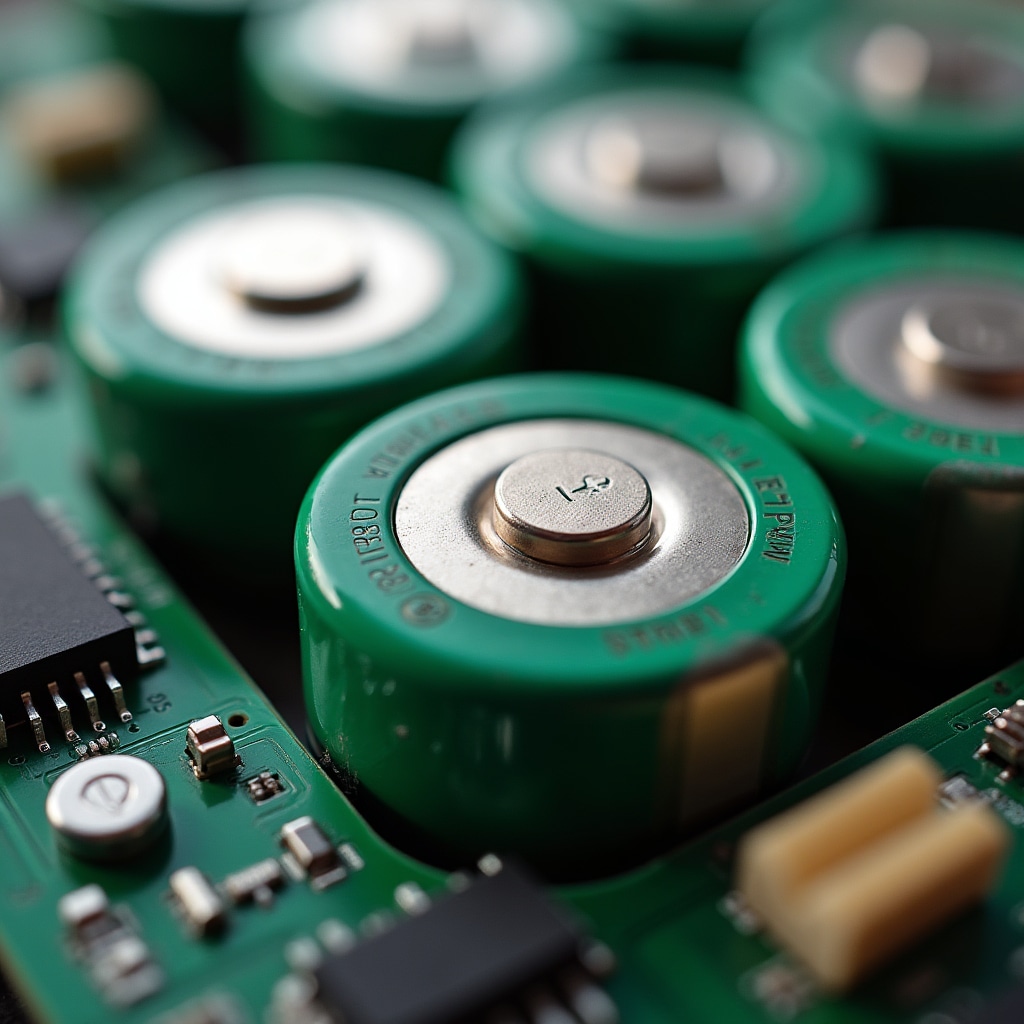
Lithium-ion batteries dominate the residential storage market due to their energy density, efficiency, and declining costs. Within this category, several chemistry variations exist including lithium iron phosphate, nickel manganese cobalt, and nickel cobalt aluminum oxide formulations.
Each chemistry presents different trade-offs between energy density, thermal stability, cycle life, and cost. Lithium iron phosphate systems generally offer longer cycle life and better thermal stability at the expense of lower energy density. Nickel-based chemistries provide higher energy density but may require more sophisticated thermal management.
Traditional lead-acid batteries and their advanced variants remain available for residential storage, typically at lower upfront costs than lithium-ion systems. However, they generally offer shorter cycle life, lower depth of discharge capability, and require more maintenance.
Advanced lead-acid technologies including absorbed glass mat and gel variants improve upon traditional flooded designs but still face fundamental limitations compared to lithium-ion in terms of cycle life and usable capacity percentage.
Several alternative battery technologies are under development or entering early commercialization, including sodium-ion, zinc-based, and flow battery systems. These technologies may offer advantages in specific applications but currently have limited residential availability in Spain.
Evaluation of emerging technologies requires careful consideration of commercial maturity, warranty support, replacement part availability, and installer familiarity before considering them for residential applications.
Battery manufacturers typically advertise nominal capacity—the total energy storage capability under ideal conditions. Usable capacity is lower, reflecting depth of discharge limitations, temperature effects, and battery management system reserves. The difference between these values can be substantial.
Energy is lost during charging and discharging processes. Round-trip efficiency indicates what percentage of stored energy can be recovered. Values typically range from 85% to 95% for lithium-ion systems, meaning 5-15% of stored energy is lost to heat and conversion inefficiencies.
While capacity indicates how much energy can be stored, power rating determines how quickly that energy can be discharged or charged. A battery might store 10 kWh but only deliver or accept 3 kW at any moment, affecting how many household loads it can simultaneously support.
Battery warranties typically specify a number of cycles or years, whichever comes first. A cycle represents one full charge-discharge sequence. Partial cycles count proportionally—two 50% depth discharges equal one full cycle. Understanding cycle ratings helps estimate system lifespan under expected usage patterns.
Battery performance and lifespan are temperature-dependent. Extreme heat accelerates degradation while cold temperatures reduce available capacity. Mediterranean climates require consideration of summer peak temperatures, particularly for batteries installed in non-climate-controlled spaces.
Battery capacity degrades gradually over time even without use, and more rapidly with cycling. Manufacturers may warrant 70-80% capacity retention at end of warranty period. Understanding degradation patterns helps set realistic expectations for long-term system performance.
Adding battery storage to existing solar installations or designing new systems requires careful consideration of compatibility, electrical integration, and installation requirements.
Battery systems must communicate with inverters through specific protocols. Not all batteries work with all inverters. Existing solar installations may require inverter replacement or addition of battery-specific inverters depending on the chosen storage system.
DC-coupled systems connect batteries directly to solar panels through a hybrid inverter. AC-coupled systems use separate inverters for solar and batteries. Each approach has implications for efficiency, complexity, and retrofit capability.
Batteries require adequate space with proper ventilation and temperature control. Installation locations must accommodate battery dimensions, allow service access, meet electrical code clearance requirements, and provide environmental conditions within manufacturer specifications.
Wall-mounted systems save floor space but have weight limitations. Floor-mounted systems offer more capacity options but require dedicated area. Outdoor-rated enclosures enable exterior installation where interior space is limited.
Battery system installation involves electrical work that must comply with Spanish electrical codes and safety standards. Licensed electricians familiar with battery storage systems should perform installations to ensure proper integration, safety compliance, and warranty validity.
Installation includes electrical panel modifications, grounding systems, disconnect switches, and integration with existing solar equipment if present. Proper commissioning ensures battery management systems are configured correctly and all safety systems function as designed.
Determining whether battery storage makes economic sense requires analyzing multiple factors specific to each household. Simple payback calculations often miss important considerations that affect long-term value.
Key factors include current electricity tariff structure, daily consumption patterns, solar generation profile if applicable, local electricity price trends, system costs including installation, expected cycle usage, warranty terms, and potential changes in household energy needs.
Battery economics improve with larger differences between peak and off-peak electricity rates, higher daily cycling frequency, and longer expected system lifespan. Conversely, flat-rate tariffs, low electricity consumption, and high upfront costs relative to potential savings extend payback periods significantly.
Our energy glossary provides detailed explanations of technical terms, and we're available to clarify concepts about residential battery storage.
Energy Glossary